Watercolor Floral Butterfly: A Comprehensive Process for Event Design
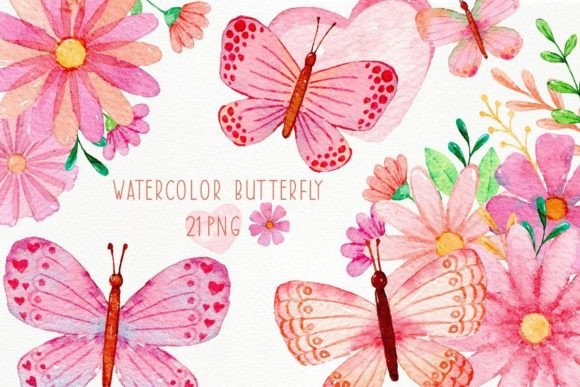
When embarking on a project that requires visual elegance—from a wedding invitation to a corporate brochure—the foundation lies in having high-quality, versatile assets. The Watercolor Floral Butterfly collection represents a curated set of 21 distinct, high-resolution PNG files, designed to serve as the core visual components for a wide array of creative and professional undertakings. Understanding how this collection integrates into a broader design and production workflow is crucial for professionals, creators, and business owners who aim to produce consistent, high-quality materials efficiently.
Defining the Asset's Role in the Creative Process
The Watercolor Floral Butterfly set is not merely a bundle of images; it is a strategic design resource. Each file is a 300 DPI PNG, meaning it maintains crisp detail at both digital and print scales. This quality specification is the first critical checkpoint in any workflow involving physical output. Before a designer even opens their layout software, confirming asset resolution prevents a common workflow bottleneck: the discovery of pixelated or blurry images during final proofing, which necessitates time-consuming asset rework or sourcing.
This collection fits into the planning and preparation phase of a project. Its theme—soft watercolor florals paired with delicate butterflies—immediately guides the aesthetic direction. For a wedding planner or a stationery designer, selecting this collection at the outset defines the color palette, mood, and illustrative style for all subsequent materials. This decision streamlines later choices, ensuring that the invitation, program, menu cards, and thank-you notes share a cohesive visual language without the designer needing to source disparate elements from multiple, potentially inconsistent, sources.
Integration with Core Tools and Platforms
The practical implementation of the Watercolor Floral Butterfly assets hinges on their compatibility with standard design ecosystems. The PNG format is universally supported across major software platforms including Adobe Photoshop, Illustrator, InDesign, Canva, Affinity Designer, and even presentation tools like PowerPoint or Google Slides. This interoperability is a key factor for efficiency. A marketing freelancer can use the same butterfly graphic in a Canva-designed social media flyer and an InDesign-built print brochure without format conversion or quality loss.
Consider a common workflow for a small business owner launching a product. They might use a Watercolor Floral Butterfly element as a background texture in a Photoshop template for a poster, then extract a single floral cluster as a logo accent for their website built on a platform like WordPress, and finally incorporate another pattern into a mailer designed in a drag-and-drop tool like Mailchimp. The consistent asset acts as a visual thread through all touchpoints, and the high-quality PNG ensures it renders perfectly in each unique environment. The process here is about asset organization: keeping the 21 files in a dedicated, well-labeled project folder allows for quick retrieval and prevents version confusion during rapid iterations.
Workflow Examples Across Professional Scenarios
For an educator or blogger creating downloadable resources, these watercolor elements can transform basic PDFs into engaging materials. The workflow might involve opening a template in a word processor or design tool, overlaying a transparent PNG floral border, and placing butterfly icons as section markers. This adds a professional, polished feel without requiring advanced illustration skills, effectively bridging the gap between content creation and visual design.
In a more extensive project like coordinating a baby shower, the collection enables a single-source approach. The host could use one file for the digital invitation email, a different file for the printed venue signage, and select elements for decorating DIY craft items like favor bags. Here, the process involves sequential use: starting with the digital application, then moving to print, and finally to hands-on decoration. The 300 DPI quality is vital for the print signage, while the transparent PNG background allows for easy placement on various colored craft papers.
Factors of Preparation and Long-Term Utility
Integrating such a collection smoothly requires some preparatory consideration. Assessing the scope of your project against the 21 available files helps. Are there enough varied elements (e.g., large bouquets, single blooms, butterflies in different poses) to cover all your intended materials without repetitive overuse? For long-term or multi-client use, such as by a stationery business, establishing an internal library is wise. Categorizing the files by type (e.g., "large floral backgrounds," "small accent butterflies") within your digital asset management system speeds up future projects, turning the initial integration into a recurring efficiency.
Quality control is inherently built into using pre-made high-quality assets. The consistency of the watercolor style across all 21 files means that any combination used within a project will look harmonious. This eliminates the subjective and time-consuming task of style-matching individual graphics sourced from different artists or packs. For the productivity-minded user, this is a significant advantage: it reduces the decision fatigue associated with aesthetic curation and focuses effort on layout and composition.
Optimizing for Specific Outputs and Applications
Practical tips for implementation vary by output. For print-centric projects like wedding invitations or brochures, always confirm the color profile of your final document and ensure the PNGs are placed without unintended scaling that might affect their 300 DPI resolution. For digital uses like presentations or web graphics, consider optimizing file sizes for web if necessary, while keeping the original high-DPI versions archived for any future print needs. This two-tier archiving process protects the asset's long-term utility.
The Watercolor Floral Butterfly elements also interact with other resources. They can be layered over textured paper backgrounds in designs, paired with specific font families to enhance the watercolor feel, or used alongside photographic elements in a collage style for a modern mixed-media look. The workflow here is iterative and experimental. A creator might set up a base template in their design software and then import several of the PNGs onto different artboards to quickly test compositions, leveraging the transparency of the PNGs to see overlays and blends instantly.
Conclusion: A Resource for Streamlined Execution
Ultimately, the Watercolor Floral Butterfly collection serves as a process accelerator. It provides a vetted, quality-assured set of visual components that professionals and hobbyists can embed into their planning from the start. By defining the aesthetic, ensuring technical compatibility for both digital and print workflows, and offering versatility across applications from invitations to craft projects, it removes multiple typical hurdles in the creative execution chain. The key to its effective integration is treating it as a foundational asset library—organizing it well, understanding its technical specifications, and deploying it strategically across the various phases of a project to achieve consistency, efficiency, and a polished final outcome.