The Artistic Synergy of Floral Arrangement and Watercolor Painting
The worlds of floral design and watercolor artistry, while distinct in their mediums, share a profound and often overlooked kinship. At their core, both practices are celebrations of color, composition, and the ephemeral beauty found in nature. The phrase "Floral Arrangement with Watercolor" evokes a unique intersection where these two creative disciplines meet, influencing each other and offering fresh perspectives to artists, hobbyists, and anyone seeking to bring natural beauty into their lives. This fusion is not just a niche artistic technique; it is a powerful approach to understanding form, color harmony, and the transient qualities of life itself.
From Nature to Canvas: Understanding the Shared Foundations
To appreciate the connection, one must first understand the fundamental principles that both florists and watercolor artists navigate. A successful floral arrangement considers balance, proportion, color theory, texture, and focal point. Similarly, a compelling watercolor painting relies on composition, wash techniques, color mixing, and the delicate interplay of light and shadow. When you study a floral arrangement with watercolor, you begin to see how the painter translates these three-dimensional principles onto a two-dimensional surface.
The florist selects blooms for their hue, shape, and line, creating a dynamic structure. The watercolor artist, observing this arrangement, must then interpret those elements using fluid pigments and water. The soft, blending edges of watercolor are uniquely suited to capturing the delicate petals and organic forms of flowers. This process teaches observation beyond simple replication; it encourages the artist to understand the essence of the arrangement—its mood, its rhythm, and its story.
The Purpose and Significance of This Artistic Fusion
Why combine these two practices? The purpose is multifaceted. For the artist, it serves as exceptional training in realism and abstraction. Painting from a live, physical arrangement challenges one to work with a changing subject—flowers wilt, light shifts—mirroring the unforgiving and fluid nature of watercolor itself, which dries and sets irreversibly. This teaches decisiveness and acceptance of beautiful imperfections.
For the general enthusiast, understanding this synergy enhances appreciation for both art forms. It reveals how artistic principles are universal. More practically, in modern life, this fusion finds relevance in numerous areas:
- Home Decor and Personal Creativity: Creating or owning art that features floral arrangements with watercolor brings a soft, natural elegance into living spaces. It personalizes environments with a touch of handmade beauty.
- Education and Skill Development: In art classrooms, using a floral arrangement as a subject for watercolor study teaches students about botany, design, and painting technique in an integrated, engaging way.
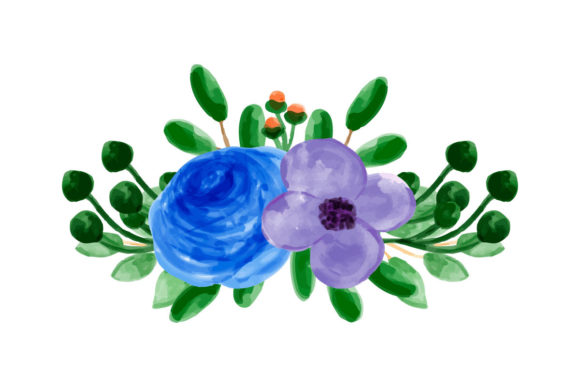
- Business and Commercial Design: The resulting imagery—such as high-resolution JPGs on white backgrounds or transparent PNGs—is incredibly valuable for graphic design, branding for botanical shops, wedding stationery, and website aesthetics that require natural, elegant visuals.
- Mindfulness and Daily Activities: The act of arranging flowers and then painting them can be a meditative, dual-part practice that grounds individuals in the present moment, combining horticultural therapy with artistic expression.
The Practical Process: From Real Blooms to Watercolor Wash
Let’s explore how one might engage in this practice. Begin with a simple floral arrangement. Focus on variety: include a focal flower (like a rose), secondary filler blooms (such as spray carnations), and linear elements (e.g., greenery or branches). Observe its structure. Where is the light hitting? Which colors contrast or complement?
When translating this to watercolor, start with a light pencil sketch to map the composition. Then, employ classic watercolor techniques. A wet-on-wet technique might be used for soft, blurred backgrounds or delicate petals, capturing their fluid nature. Dry brush methods can articulate the textured veins of a leaf or the rough surface of a vase. The key is to mirror the arrangement’s life—not to paint every detail, but to suggest its form and feeling.
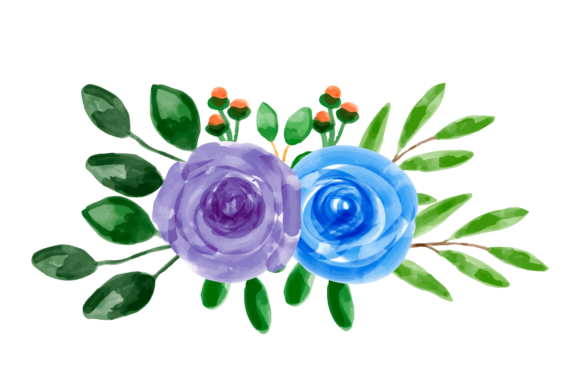
High-resolution images of these subjects, at 300 dpi, become crucial references. A JPG on a white background provides a clean, studio-quality reference for understanding color against a neutral field. A PNG with a transparent background, on the other hand, allows artists or designers to isolate the painted floral element digitally, using it in composite artworks or designs without the constraints of a backdrop. These digital assets bridge the traditional art with modern technological application.
Common Misunderstandings and Clarifications
A common assumption is that painting a floral arrangement with watercolor is merely decorative or simplistic. This undervalues its technical challenge and expressive potential. Watercolor is one of the most difficult mediums to control, and flowers are complex subjects with subtle gradients. Another misconception is that it requires expensive, perfect blooms. In truth, even a simple arrangement of wildflowers or seasonal greens can provide a rich subject full of narrative and practice.
Furthermore, some may think the goal is hyper-realistic accuracy. While realism is a valid pursuit, the watercolor medium often lends itself to a more interpretive style. The transparency of the paint can create luminous effects impossible in opaque mediums, allowing the artist to capture the light within the flowers, not just their outward shape. This is a significant distinction from other painting forms.
Integrating the Practice into Modern Creativity and Technology
In today's digital world, the output from this artistic fusion is highly adaptable. The created watercolor paintings, digitized as high-quality images, serve as versatile assets. They can be used in:
- Digital Marketing and E-commerce: For florists, selling bouquets online is enhanced by accompanying artwork that evokes the emotional and aesthetic value of their products.
- Educational Content and Tutorials: Step-by-step guides showing the process from arrangement to finished painting are popular in online learning platforms, catering to a growing DIY art community.
- Product Design: Patterns derived from watercolor florals are applied to textiles, stationery, and home goods, creating a market for art-infused consumer products.
- Personal Branding: Artists and creatives use this body of work to define a style that is both organic and refined, appealing to clients looking for natural elegance.
The process itself also fits into contemporary trends towards hybrid hobbies. People seek activities that combine hands-on craftsmanship (arranging) with traditional art (painting), satisfying a desire for tangible creative output in an increasingly virtual world.
Building a Broader Understanding: Beyond the Artwork
Ultimately, engaging with floral arrangement through watercolor is more than producing a beautiful image. It is an exercise in perception. It trains the eye to see color relationships, spatial balance, and transitional beauty—skills transferable to many aspects of life and work. For the beginner, it offers a structured yet forgiving entry into art. For the experienced, it provides endless complexity in subject and technique.
This artistic synergy reminds us that inspiration often flows between disciplines. A florist might gain a better sense of color from studying watercolor washes. A painter might understand composition better by first building it physically with stems and blooms. It exemplifies how creative practices, even those seemingly separate, can inform and elevate each other.
The Enduring Bloom: A Conclusion in Color and Form
The journey from a physical floral arrangement to its watercolor representation is a meaningful dialogue between two art forms rooted in nature. It highlights the importance of observation, the embrace of fluidity and change, and the joy of creating something that holds a moment of natural beauty. Whether you are a practicing artist, a hobbyist looking for a rewarding project, or simply someone who appreciates the serene combination of flowers and paint, this fusion offers a path to deeper creativity and appreciation.
By exploring and perhaps even trying this practice yourself, you connect with a timeless artistic tradition while utilizing modern tools—from the actual blooms on your table to the high-resolution digital images you might create. In a fast-paced world, the calm, focused process of arranging and painting flowers provides a sanctuary of creativity, and the resulting artwork—a delicate floral arrangement with watercolor—becomes a lasting testament to the quiet, profound beauty that grows from blending nature with art.