The World of Watercolor Floral Clipart: A Designer's Essential Toolkit
In the digital design landscape, where crisp vectors and flat graphics often dominate, there remains a timeless appeal for art that feels organic, soft, and infused with a handmade touch. This is where Watercolor Floral Clipart comes into play. It represents a specific category of digital artwork that blends the classic beauty of floral motifs with the expressive, fluid texture of watercolor painting. For creators looking to add warmth, elegance, and a natural aesthetic to their projects, this type of clipart is more than just an image; it's a versatile design element that can transform the feel of any visual composition.
What Exactly Is Watercolor Floral Clipart?
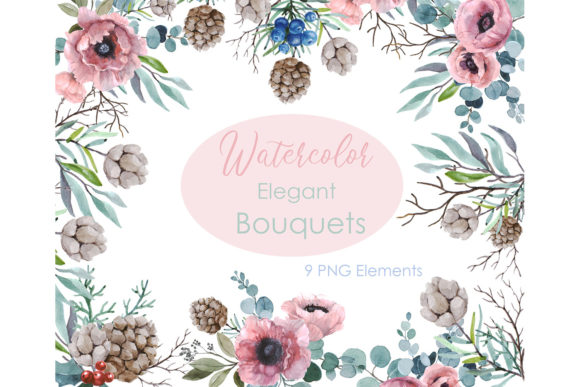
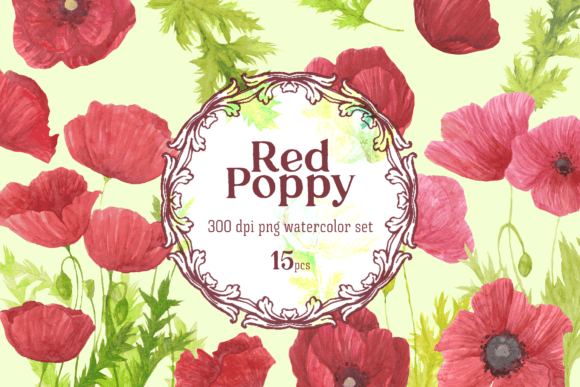
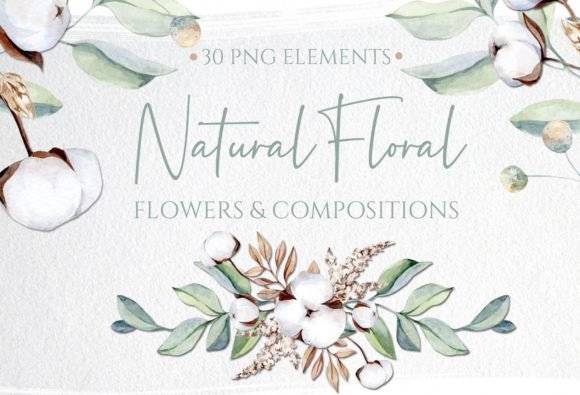
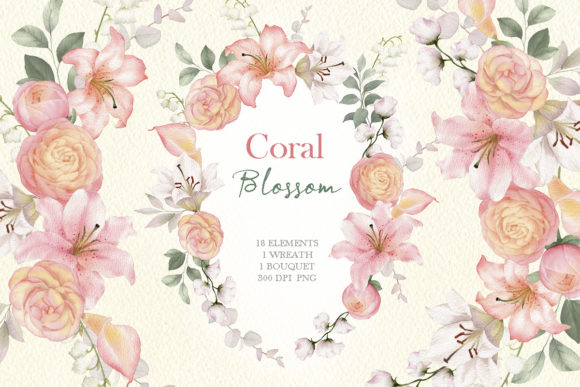
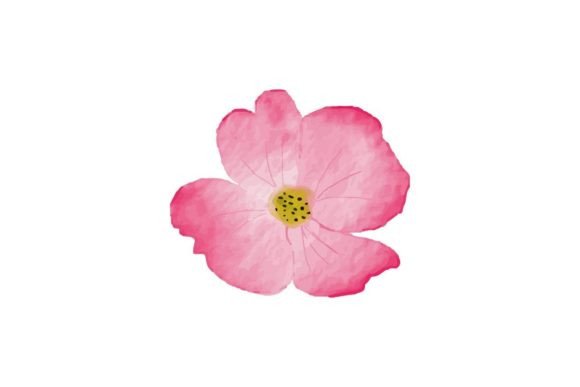
Imagine a delicate rose, a whimsical daisy, or a cluster of lavender painted with traditional watercolors—the colors bleed softly into one another, the edges are imperfect, and the texture of the paper might even be subtly visible. Watercolor Floral Clipart captures this exact aesthetic in a digital format. It is not a photograph of a painting, but a digital creation or a high-resolution scan meticulously crafted to preserve all those painterly qualities. The "clipart" designation means these are individual, isolated graphic elements. They are typically provided with transparent backgrounds, allowing you to place them seamlessly onto any other design, much like a digital sticker or decal.
When you purchase or download a pack like the one described—with elements in JPG and PNG formats at 4100 x 4100 pixels and 300 DPI—you are receiving high-quality assets. This resolution ensures the artwork retains its detail and texture even when used in large-scale projects like posters or packaging, without becoming pixelated or blurry.
The Core Characteristics and Value
Why does Watercolor Floral Clipart hold such appeal? Its value lies in its distinct characteristics.
- Organic Texture: The subtle gradients, brush stroke marks, and color variations mimic real watercolor, introducing a tactile feel to digital work.
- Soft Color Palettes: These designs often use muted, pastel, or naturally blended colors that are inherently calming and aesthetically pleasing.
- Versatility: A single floral element can be repurposed countless times across different projects, from a website banner to a wedding invitation.
- Time Efficiency: For designers, business owners, or DIY creators, using pre-made, high-quality clipart saves immense time compared to creating such illustrations from scratch.
The provided PNG format with transparency is particularly crucial. It allows the floral element to sit on top of other layers without a white box around it, enabling complex, layered designs. The JPG format serves as a reliable backup or option for uses where a transparent background isn't required.
Who Benefits from Using This Artwork?
The applications for Watercolor Floral Clipart are remarkably broad, touching numerous professions and personal projects.
For Creative Professionals
Graphic designers, digital artists, and marketing agencies frequently integrate this style to soften brand visuals, create inviting social media content, or design packaging for organic, lifestyle, or beauty products. The artwork adds a premium, artistic feel that can elevate a brand's perceived value.
For Small Business Owners
Entrepreneurs running online shops, cafes, wellness studios, or florists can use these elements to design their own logos, website graphics, promotional flyers, and product labels without hiring an illustrator. It helps establish a cohesive and professional visual identity with a personal touch.
For DIY Creators and Enthusiasts
Individuals planning events like weddings, birthdays, or baby showers find Watercolor Floral Clipart invaluable for creating custom invitations, signage, décor templates, and thank-you cards. Bloggers and content creators use them to beautify their websites, eBook covers, and printable resources for their audience.
Practical Applications and Real-World Scenarios
Let’s look at some concrete examples where this type of clipart becomes the hero of a project.
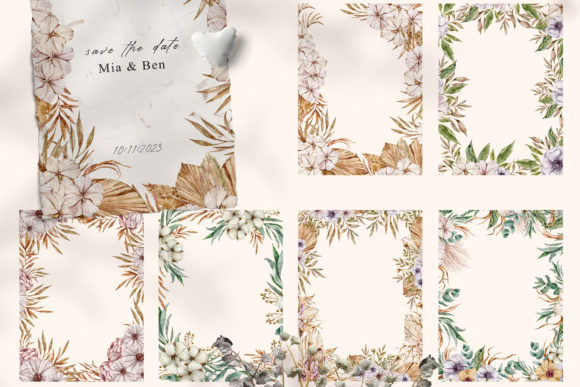
- Wedding Suite Design: A couple can use a cohesive set of watercolor roses and greenery to design everything from their save-the-date to their ceremony program, creating a unified, elegant, and custom look.
- Natural Product Branding: A startup selling handmade soap uses watercolor lavender and olive branch clipart on its label, website header, and Instagram posts, instantly communicating the product's natural, gentle qualities.
- Educational Worksheet: A teacher designing a spring-themed activity sheet for children incorporates bright watercolor sunflowers and daisies around the border, making the learning material more engaging and visually appealing.
- Website Header Refresh: A lifestyle blogger feeling her site looks too sterile adds a scattering of soft watercolor peonies behind her title, instantly warming up the page and reflecting her content's tone.
Evaluating Suitability for Your Project
While Watercolor Floral Clipart is versatile, it's wise to consider its fit for your specific need. Ask yourself:
- Does my project's theme align with a natural, elegant, or artistic aesthetic?
- Do I need elements that can blend softly into backgrounds or overlay other images cleanly (making PNG format essential)?
- Will I be printing these designs at a large size? The 4100x4100, 300DPI specification confirms suitability for high-quality print.
- Is my overall design style modern and minimalist? If so, the textured, organic nature of watercolor might be a deliberate contrast or might clash. It's about intentional pairing.
Strengths and Important Considerations
The primary strength of high-resolution Watercolor Floral Clipart is its ability to deliver professional, artistic results quickly. It democratizes beautiful design. However, some considerations exist. Because it mimics a specific painterly style, it may not fit projects requiring ultra-modern, geometric, or hyper-realistic visuals. Also, while the elements are isolated, their color palettes are fixed; extensive color changes require advanced graphic software skills.
When sourcing such clipart, always check the license terms for usage—most personal and commercial packs allow broad use, but some may have restrictions. The pack from "desis design," offering high-resolution formats with a friendly "Stay connected for more digital artwork," suggests a creator-focused resource designed for practical application.
Integrating Clipart into Your Workflow
Once you have your Watercolor Floral Clipart files, using them effectively is straightforward. For digital designs, import the PNG files into your software (like Canva, Adobe Photoshop, or Illustrator). Resize them as needed—thanks to the high resolution, you can scale them down without losing quality. Experiment with layering multiple elements, adjusting their opacity for subtle effects, or combining them with text and solid shapes. For print, ensure your software or printer settings are configured to honor the 300 DPI resolution to maintain crispness.
Ultimately, Watercolor Floral Clipart serves as a bridge between traditional artistry and digital convenience. It empowers a wide range of creators to infuse their projects with a sense of beauty, gentleness, and refined craftsmanship, whether they are seasoned designers or individuals embarking on their first design project. By understanding its features, applications, and the quality indicators like format and resolution, you can confidently select and utilize these assets to bring your creative vision to life, adding that special touch of floral charm wherever it's needed.