Unveiling the Creative Power of Floral Outline Vector Borders and Frames
Imagine a versatile toolkit of delicate petals, graceful leaves, and elegant stems—all captured in clean, scalable lines. This is the world of floral outline vector borders and frames, digital assets that have quietly become indispensable in contemporary design. Often encountered as an Adobe Illustrator file (.AI) or Encapsulated PostScript file (.EPS) labelled as a "template," these resources offer a unique blend of artistic structure and creative freedom. From coloring pages for children to sophisticated wedding cart designs, their application is vast and surprisingly profound. Understanding these vectors isn't just about knowing a file type; it’s about unlocking a foundational element of modern visual communication.
What Exactly Are Floral Outline Vector Borders?
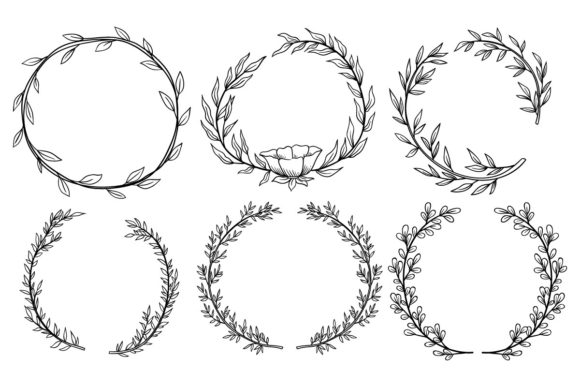
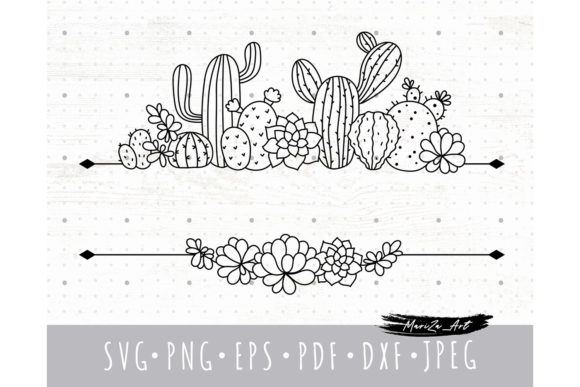
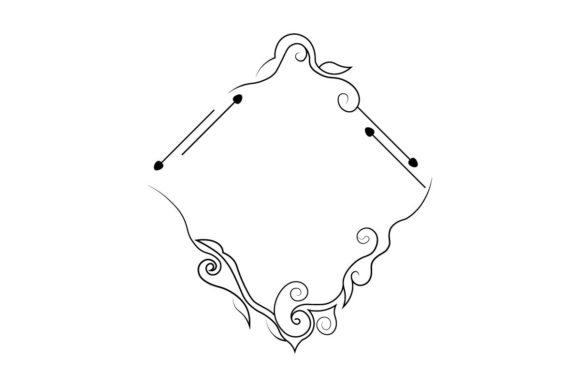
At their core, floral outline vector borders and frames are digital illustrations composed of paths defined by mathematical points, lines, and curves, rather than pixels. This "vector" nature means they can be resized infinitely—from a tiny icon on a business card to a massive backdrop on a wall mural—without any loss of quality or sharpness. The "outline" aspect signifies that they are typically presented as line art, without filled colors, leaving the interior spaces open and ready for customization. A "border" or "frame" denotes their primary function: to encircle, contain, or decorate an area, providing a structured yet ornamental edge.
When you download a template described with features like Fully Editable, EPS and Ai Adobe Illustrator File, and Layer Well Organized, you are acquiring this precise kind of asset. The organization into layers in software like Illustrator allows you to easily isolate parts of the design—perhaps separating a rose from the surrounding vines—to edit, color, or rearrange them individually. This level of control is what transforms a static image into a dynamic creative tool.
The Significance and Purpose: More Than Just Pretty Lines
The significance of these floral vectors extends far beyond their aesthetic appeal. Their primary purpose is to serve as a foundational creative accelerator. For a professional graphic designer working on a wedding invitation suite, a well-crafted vector border template saves hours of painstaking drawing time, allowing focus on typography and layout. For a small business owner designing their own logo or packaging, it provides access to professional-grade botanical artistry without requiring advanced illustration skills.
They democratize high-quality design. Their relevance is deeply practical: they are a bridge between concept and execution. In an era where visual content is paramount for engagement—from social media posts to product branding—having a repository of adaptable, beautiful elements is a strategic advantage. Their outline format is particularly purposeful; it invites participation. It’s a starting point, not a finished product, which empowers the end-user to define the final look.
Practical Relevance Across Modern Life and Creativity
The application of floral outline vector frames is a testament to their flexibility. They seamlessly fit into various facets of modern life, work, and leisure.
- Education and Child Development: As coloring pages, these outlines are fantastic educational tools. They help children develop fine motor skills, learn about shapes and nature, and express creativity. Educators and parents can easily print them at any size, and their clear lines are perfect for young artists.
- Business and Branding: In the commercial sphere, these vectors are used to craft a brand’s visual identity. They can frame text on a website, become part of a product label for a natural skincare line, or adorn promotional materials for a garden center. The organic and timeless feel of florals conveys qualities like growth, purity, and elegance.
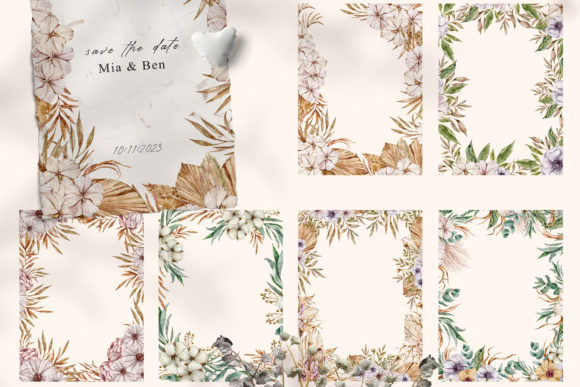
- Event Design and Personal Projects: For life’s celebrations, especially weddings, these templates are incredibly popular. They form the basis for wedding cart designs, invitation borders, program layouts, and signage. Their editable nature means a single rose vector frame can be adapted to match the exact color scheme of the event, ensuring cohesive decor.
- Home Décor and Interior Design: The trend of personalized wall art finds a perfect partner in these vectors. Individuals can scale a large floral frame, color it digitally or by hand, and print it as a unique wall interior piece. This moves décor away from mass-produced art towards personalized expression.
- Technology and Digital Content: In the digital realm, they are used in web design elements, app icons, video overlays, and presentation slides. Their scalability ensures they look crisp on any screen resolution.
Clarifying Common Misunderstandings
A common assumption is that using a vector template is "unoriginal" or simply copying. This is a misunderstanding of the design process. In professional practice, templates are raw materials, not final products. Just as a carpenter uses pre-cut wood or a chef uses base ingredients, a designer or creative individual uses a vector template as a high-quality starting component. The originality comes from how it is integrated, colored, combined with other elements, and applied to a unique context. Another misconception is about complexity; the "easy to edit" feature noted in template descriptions means these files are intentionally built for accessibility. Even beginners with basic knowledge of vector software can change colors, resize elements, and rearrange components to suit their needs.
Building a Broader Understanding: The Ecosystem of Digital Assets
To fully appreciate floral outline vectors, it helps to see them within the broader ecosystem of digital creative assets. They represent a specific niche within the larger world of stock graphics, templates, and design resources. Their value is defined by their format (vector), style (outline), and theme (floral).
Understanding file types is crucial here. The mention of EPS and Ai files is key. An .AI file is native to Adobe Illustrator and offers the fullest editing capabilities with layers intact. An .EPS file is a more universal vector format that can be opened by many other design programs, ensuring compatibility. When a template provides both, it maximizes usability for different users and software preferences.
- Start with the Intent: Define your project first. Are you creating a calming coloring page, a vibrant wedding sign, or a minimalist business card? The intent will guide how you use the template.
- Embrace the Editability: Don’t just use the template as-is. Change the colors to match your palette. Duplicate and rotate floral elements to create a new pattern. Remove parts you don’t need. This is where your vision comes alive.
- Consider Integration: Think about how the floral border will interact with other content. How will text sit within the frame? How will it balance with photographs or logos? The frame should complement, not overwhelm.
- Respect Scalability: Use the vector’s power. Enlarge it for a backdrop, shrink it for a detail. This flexibility is a core advantage you should actively exploit.
In conclusion, floral outline vector borders and frames are far more than simple decorations. They are scalable, editable, and organized digital building blocks that empower creativity across a spectrum of activities—from professional design and business branding to educational projects and personal celebration. By providing a structured yet open botanical form, they invite users to fill them with color, meaning, and personal style. Recognizing their features—the fully editable, well-organized layers in .AI or .EPS formats—and understanding their practical relevance helps anyone, from beginners to experienced creators, harness their potential effectively. In a world hungry for personalized and beautiful visuals, these vectors offer a path to achieving it with elegance and efficiency.